What is another name of Poland?

First i wrote a comment to Eliseo Nesci answer, but now I think I can expand it to full answer.
Disclaimer: This answer may contain some mistakes, cause I am not professional historian nor linguist (but I have some not little knowledge I believe :)). I use my best knowledge to answer this question.
Ta odpowiedź może zawierać pewne błędy,
ponieważ nie jestem zawodowym historykiem
- Rzeczpospolita
Usually translated as The Commonwealth. It is “Common Thing” of all citizens. During Rzeczpospolita times most of the countries were more-less private properties of the kings and their families. The Commonwealth was the wealth by itself, even without king. King was just a “manager” running the country, but not its owner! King couldn’t give any part of The Commonwealth to other country nor to its family members without citizens’ permission or without buying part of The Commonwealth as his private property with his private money.
Zwykle tłumaczone jako The Commonwealth. Jest to „Wspólna Rzecz” wszystkich obywateli. W czasach Rzeczpospolitej większość krajów była prywatnymi własnościami królów i ich rodzin. Rzeczpospolita była sama w sobie bogactwem, nawet bez króla. Król był po prostu „menadżerem” prowadzącym kraj, ale nie jego właścicielem!
2. Slavia
Name of Slavia was probably never used as a name for the country. I coined the name from the citizens living in Poland. Bolesław Chrobry (967–1025) was called: Regnum Sclavorum, Gothorum sive Polonorum which is translated from latin as: “King of Slavs, Goths which are Poles”. Which shows us that in that time or little time before all Slavs were considered as Poles. Name Slavia is used also in chronicles. Check “Germania” below.
3. Lechia
Name of Poland is used for Poland since ca. 1000AD (Congress of Gniezno | Wikiwand). Before name “Poland” was not used. Name has been coined probably after Poland changed state religion from Slavic to Christian (ca 966AD). Name Polska (Poland) is disputed.
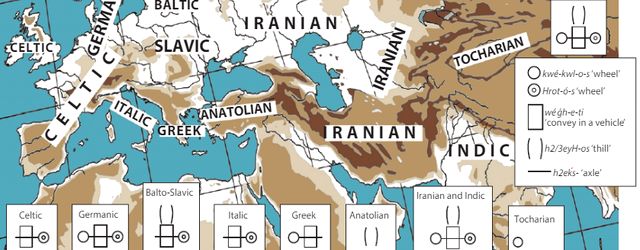
Most popular theory tells us that it comes from Polanie tribe. There are also 2 explanations which are related to Lechia.
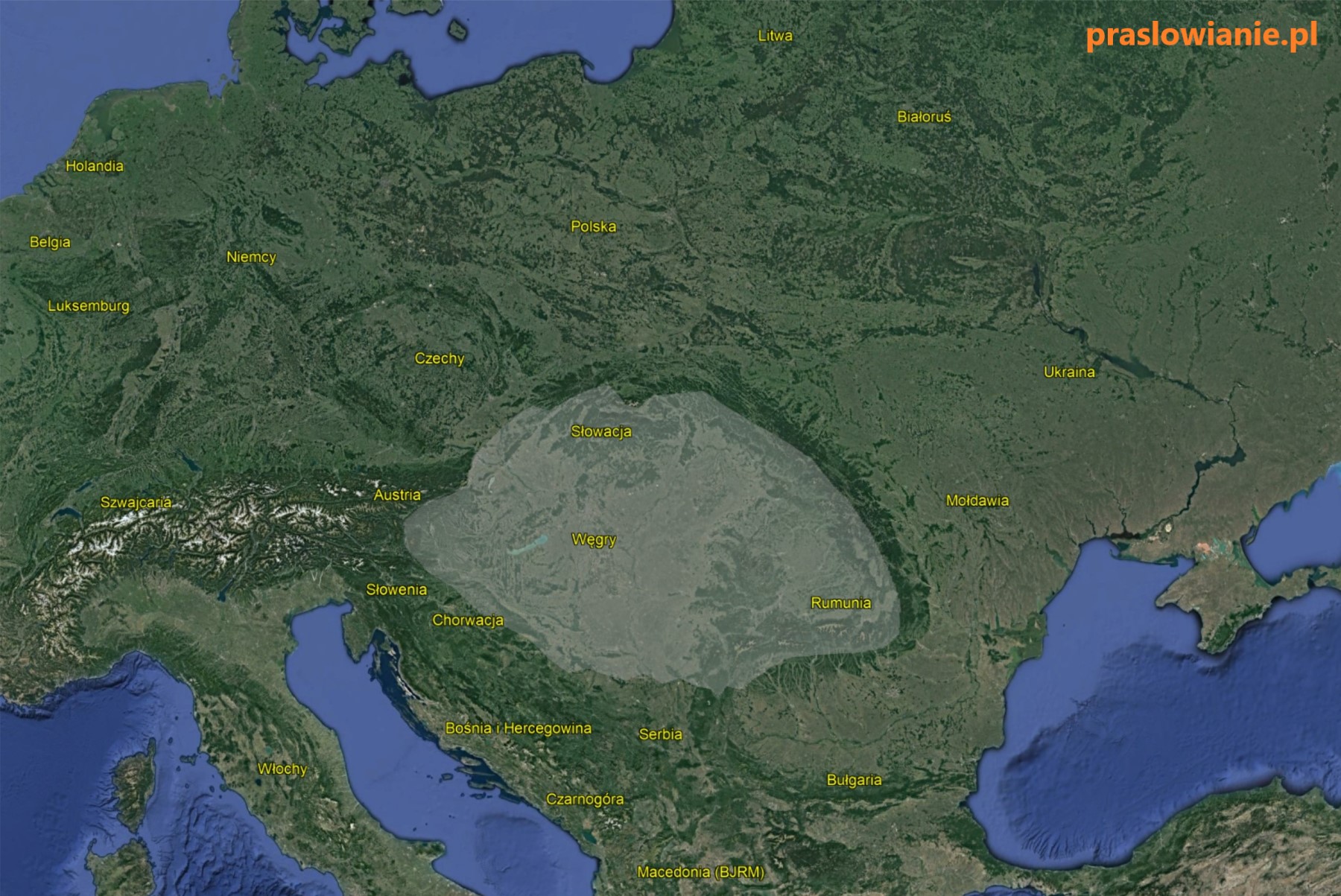
First of them bases on the sound of Lechia. Citizen of Lechia is Lech, plural is Lesi like Czech and Czesi (yes, English name for Czech Republic in English with its strange ortography comes directly from Polish) – it is Satem-Kentum rule – google it. But female citizen of Lechia is Leszka/Laszka. The word “after” in Polish is “po” if you combine both (After Lech/Leszka/Laszka/Lechia) you get: Polech, Poleszka, Polaszka, Polechia, which were simplified into Polska. For modern Poles it sounds strange, but there are other words with similar way of creation: Po+Wiedzieć (Know)=Powiedzieć (Say), Po+móc(Can)=Pomóc(Help), Po+Koić(Make Peace)=Pokój(Peace) and the most significant in our example: Pod+Lech=Podlasie and Po+Lech=Polesie. Some people think that last words come from Las (Forest) and not from Lech/Lechia, but Lithuanian language call them Palenke (where Lenke means Lech and not Forest).
Czytaj dalej →