
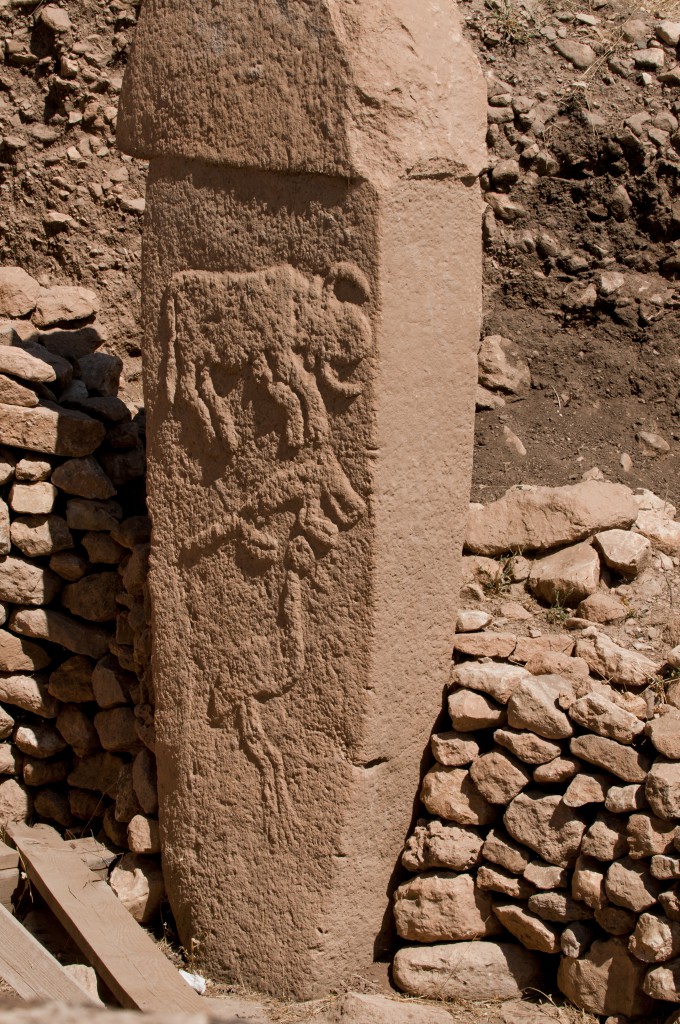
W południowo-wschodniej Turcji od 12 tysięcy lat pod zwałami piasku i gliny leży kamień, który nie powinien istnieć — wyrzeźbiony z niewiarygodną precyzją przez ludzi, którzy nie mieli metalu, koła ani pisma. Kiedy Grok AI otrzymał wyniki trzech dekad badań nad Göbekli Tepe i został zapytany, kto je zbudował, odpowiedź nie wywołała dyskusji, lecz milczenie. Ten dokument zgłębia najstarsze znane na świecie stanowisko megalityczne i tajemnicę, która wciąż zmienia historię ludzkości. Od kurdyjskiego pasterza, który jako pierwszy zauważył zbyt płaski kamień w 1994 roku, po archeologa Klausa Schmidta, który poświęcił życie wykopaliskom, Göbekli Tepe podważa wszystko, co myśleliśmy, że wiemy o epoce kamienia. Jak łowcy-zbieracze budowali 50-tonowe filary o idealnych okręgach? Do jakich wniosków doszła sztuczna inteligencja? Obejrzyj do końca i sam oceń. Jeśli to skłoniło Cię do przemyślenia starożytnej przeszłości, zostaw komentarz ze swoją teorią.
A oto oficjalna nadal obowiązująca wersja historii według interpretacji AI/SI, czyli oficjalne naukowe i informacyjne kłamstwo, które powiada, że nie istniała wtedy na Ziemi żadna zaawansowana cywilizacja. Sam upadek meteorytu albo jego odłamków w Dryasie nazywa się tutaj „kontrowersyjną hipotezą” podczas gdy już od prawie 10 lat istnieją naukowe dowody potwierdzające ten fakt. Gdy zadacie w Google pytanie „kiedy dokładnie około 12 000 lat temu upadł meteoryt, który pogrzebał cywilizację?” da wam taką właśnie odpowiedź, cytuję:
„Wydarzenie to datuje się dokładnie na około 12 800 lat temu (ok. 10 850–10 900 p.n.e.). Zgodnie z kontrowersyjną hipotezą młodszego dryasu, w ziemską atmosferę weszły wówczas odłamki rozpadającej się komety, wywołując potężne eksplozje (tzw. airburst). [1, 2, 3]
Nie ma mowy o pogrzebaniu zaawansowanej cywilizacji, ponieważ w tamtym czasie na Ziemi istniały jedynie społeczeństwa zbieracko-łowieckie (np. kultura Clovis w Ameryce Północnej), choć katastrofa mogła wpłynąć na ich losy, wymieranie megafauny oraz nagłe, trwające ponad 1000 lat ochłodzenie klimatu. [1, 2, 3, 4]”
źródło: https://www.youtube.com/watch?v=cQMnqq7uWCU
Buried beneath twelve thousand years of soil in southeastern Turkey lies a stone that should not exist — carved with impossible precision by people who had no metal, no wheel, and no writing. When Grok AI was fed three decades of research on Göbekli Tepe and asked who built it, the answer produced not an argument, but silence. This documentary explores the world’s oldest known megalithic site and the mystery that continues to rewrite human history. From the Kurdish shepherd who first noticed a too-flat stone in 1994, to archaeologist Klaus Schmidt who dedicated his life to the dig, Göbekli Tepe challenges everything we thought we knew about the Stone Age. How did hunter-gatherers build 50-ton pillars in perfect circles? What did the AI really conclude? Watch to the end and decide for yourself. If this made you rethink the ancient past, leave a comment with your theory, like the video, and subscribe for more.