
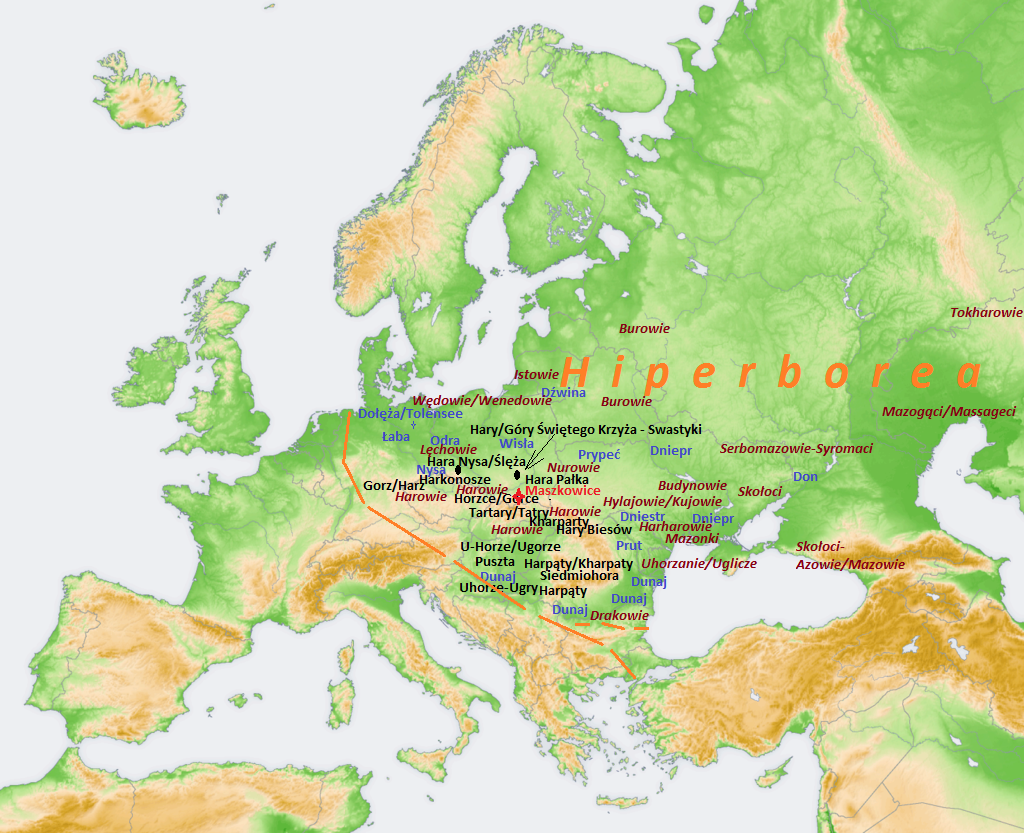
źródło: https://www.youtube.com/watch?v=yCpLovAPllk
Calling Polish DNA “the strangest in the world” is more clickbait than science. Poland’s genetic history is actually a pretty well-documented example of Central and Eastern Europe being shaped by multiple ancient migrations—not something mysterious or “alien,” just complex like most of Europe. Poland sits at the heart of Europe — a land where history never stopped moving. Over thousands of years, waves of ancient hunter-gatherers, early farmers from Anatolia, and Steppe pastoralists from the Eurasian plains all left their mark on this region. Modern Polish DNA reflects this deep layering of European history. It carries strong continuity with ancient Central European populations, while also showing influences from major prehistoric migrations that shaped almost all of Europe. What makes Polish genetics interesting is not that it is “strange,” but that it represents a **clear genetic crossroads of Europe**, where eastern, western, and northern influences overlap in a relatively balanced way. Unlike isolated populations, Poland’s genetic profile shows how geography — open plains, migration routes, and historical movement — naturally creates diversity over time. So instead of being “the strangest DNA,” Polish genetics is better understood as one of the **most historically layered and interconnected genetic profiles in Europe**. This video breaks down: • Ancient DNA layers in Poland • Steppe, Neolithic, and hunter-gatherer ancestry • How migrations shaped Central Europe • Why geography matters more than myths in genetics In the end, DNA doesn’t tell us about “strangeness” — it tells the story of movement, survival, and connection.
Nazywanie polskiego DNA „najdziwniejszym na świecie” to raczej chwyt marketingowy niż naukowy argument. Historia genetyczna Polski jest w rzeczywistości dość dobrze udokumentowanym przykładem ukształtowania Europy Środkowo-Wschodniej przez liczne starożytne migracje – nie jest to coś tajemniczego ani „obcego”, ale po prostu złożonego, jak większość Europy. Polska leży w sercu Europy – krainy, w której historia nigdy nie ustawała w biegu. Przez tysiące lat fale starożytnych łowców-zbieraczy, wczesnych rolników z Anatolii i pasterzy stepowych z równin Eurazji odcisnęły swoje piętno na tym regionie. Współczesne polskie DNA odzwierciedla tę głęboką wielowarstwowość europejskiej historii. Wykazuje silną ciągłość z dawnymi populacjami Europy Środkowej, a jednocześnie wykazuje wpływy wielkich prehistorycznych migracji, które ukształtowały niemal całą Europę. To, co czyni polską genetykę interesującą, to nie to, że jest „dziwna”, ale to, że reprezentuje **wyraźne genetyczne skrzyżowanie Europy**, gdzie wpływy wschodnie, zachodnie i północne nakładają się na siebie w stosunkowo zrównoważony sposób. W przeciwieństwie do izolowanych populacji, profil genetyczny Polski pokazuje, jak geografia – otwarte równiny, szlaki migracyjne i historyczne ruchy – naturalnie kształtują różnorodność w czasie. Zamiast więc być „najdziwniejszym DNA”, polska genetyka jest lepiej rozumiana jako jeden z **najbardziej historycznie wielowarstwowych i powiązanych profili genetycznych w Europie**. Ten film omawia: • Starożytne warstwy DNA w Polsce • Pochodzenie ze stepów, neolitu i łowców-zbieraczy • Jak migracje ukształtowały Europę Środkową • Dlaczego geografia ma większe znaczenie niż mity w genetyce Ostatecznie DNA nie mówi nam o „dziwności” – opowiada historię ruchu, przetrwania i więzi.